Keeping It Real Has a Price Tag Now — And Not Everyone Can Afford It
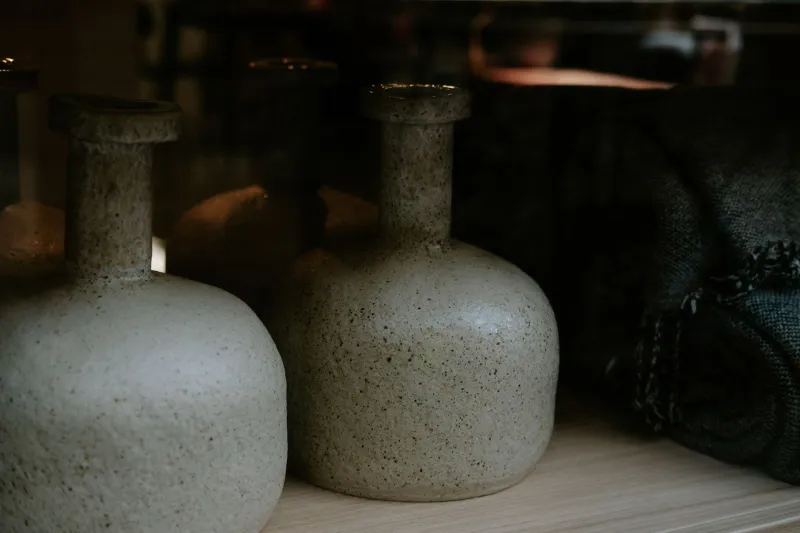
There's a particular kind of exhaustion that comes from scrolling through a beautifully curated feed of "intentional living" content. The linen napkins. The hand-thrown mugs. The $280 candle that smells like "Norwegian forest floor after rain." Everything is earthy, imperfect, deeply considered — and deeply expensive. The message underneath it all is seductive: this is what it looks like to be authentic. And the unspoken footnote? It costs.
Somewhere along the way, the cultural conversation around genuine self-expression got hijacked by a market that figured out how to monetize it. What started as a pushback against fast fashion and mass production has quietly evolved into its own kind of aspirational economy — one where the price of looking like you don't follow trends is sometimes higher than the trends themselves.
The Authenticity Industrial Complex
Let's be honest about what happened. The slow living movement — rooted in genuinely meaningful ideas about sustainability, craftsmanship, and intentionality — got discovered by capital. And capital does what capital does: it scaled the aesthetic while quietly detaching it from the philosophy.
Now you can buy the look of a person who makes their own sourdough and thrifts their wardrobe, fully assembled and delivered to your door in two days. A "lived-in" linen duvet set runs $400. "Raw edge" wooden shelving from a boutique brand costs more than a full IKEA room setup. Vintage-inspired clothing labels charge triple what fast fashion does for the privilege of slower production — which is genuinely more ethical, to be clear — but the result is a sustainability conversation that functionally excludes anyone without disposable income.
The paradox is almost elegant in how cruel it is: the more loudly a product markets itself as anti-consumerist, the more it tends to cost.
What We Actually Mean When We Say "Authentic"
Here's a question worth sitting with: authentic to what, exactly?
The word has been stretched so thin it barely means anything anymore. In design and lifestyle spaces, "authentic" has become shorthand for a specific visual vocabulary — neutral palettes, natural materials, visible imperfections, small-batch origins. It's a look. A very specific, very replicable look that, ironically, you can now find at Target.
But authentic self-expression — the real thing, the one that actually matters — has nothing to do with the price point of your houseplants. It's about whether your space, your wardrobe, your creative output actually reflects you: your history, your references, your weird specific taste that didn't come from a mood board.
The problem is that when an entire industry is telling you what authenticity looks like, it becomes very hard to see your own version of it clearly. You start mistaking the brand's story for your own.
The Thrift Store Was Always the Answer (But Now It's Complicated Too)
For a long time, thrifting was the great equalizer. You could build a genuinely personal wardrobe or home for next to nothing, because the good stuff was just sitting there, overlooked. Then resale culture exploded. Depop and Poshmark turned vintage finds into investments. Goodwill started pulling items for their own premium resale platform. The church basement sale got gentrified.
This isn't to say thrifting is dead — it absolutely isn't. But the barrier to entry has risen even there, partly because the same tastemakers who drove demand for "authentic" aesthetics also drove demand for secondhand goods, pushing prices up in the process.
Still, there's real opportunity in the overlooked corners. Estate sales in less trendy zip codes. Facebook Marketplace in rural areas. The Salvation Army in a town that doesn't have a design-forward coffee shop yet. The deals are still there — they just require more effort and less algorithm.
Reclaiming the Concept Without Buying Into the Brand
So what does genuinely personal creative expression look like when you're not working with a boutique budget? A few honest suggestions:
Start with what you already own. Before buying anything, look hard at what you already have. What did you choose before you knew what was "in"? Those choices are more revealing about your actual taste than anything you'd buy while trend-aware.
Get specific about your actual references. Not Pinterest boards — your real life. The color of your grandmother's kitchen. The album cover that meant everything to you at 16. The diner you went to every Sunday growing up. These are the raw materials of a personal aesthetic that no brand can manufacture for you.
Embrace functional imperfection. The handmade ceramic mug aesthetic exists because imperfection signals humanness. But your chipped IKEA mug that you've had for seven years and refuse to throw away? That's the same energy, for free. Wear in is not the same as wear out.
Make something. Anything. It doesn't have to be good. A collage. A painted shelf. A hand-sewn pillow cover that's slightly crooked. The act of making is the most direct route to genuine expression, and it costs almost nothing compared to buying someone else's version of it.
The Privilege Question Deserves a Straight Answer
Does true creative expression require financial privilege? No. But the industry built around authentic aesthetics absolutely does, and pretending otherwise is its own kind of dishonesty.
The most interesting creative people — the ones whose homes and wardrobes and projects feel genuinely, arrestingly theirs — are rarely the ones who bought the full look from a curated small-batch brand. They're the ones who figured out what they actually liked before anyone told them it was cool, and then built from there, with whatever they had.
That's not a $280 candle. That's just paying attention to yourself. Which, as it turns out, is completely free.