The Hobby Haul Is Real—So Why Do We Feel So Uncreative?
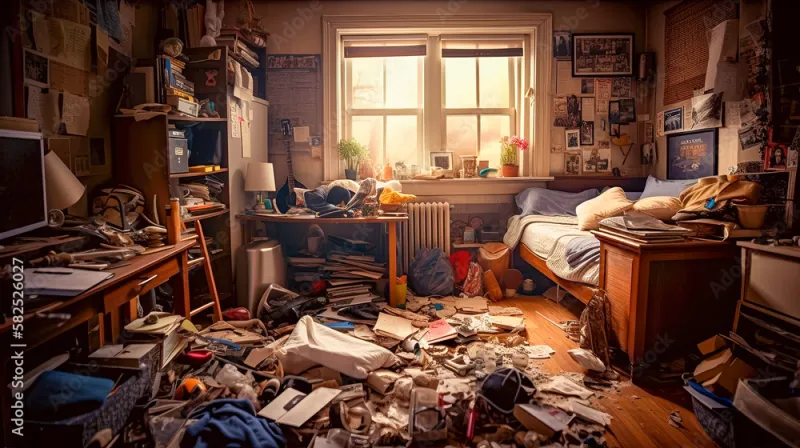
Photo: messy craft table with art supplies and hands making something, via as1.ftcdn.net
There's a particular kind of hope in a fresh Michaels bag. The paper rustles. The receipt is long enough to wrap a small gift. You have plans—real plans—involving polymer clay, a set of tiny brushes, or maybe that beginner embroidery kit with the ironic cactus pattern. For a moment, you are not a person who consumes creativity. You are a person who makes things.
Then the bag goes into the closet, next to the previous bag.
This is the creativity gap: the strange distance between how much we spend on creative hobbies and how creative we actually feel. It's not a personal failure so much as a cultural one. We've built an entire economy around the idea of being artistic—and somehow made the actual making part optional.
The Supply Store Is Not a Studio
Walk through any American craft store on a Saturday and you'll see the dream in aisle form. Kits for candle-making, punch needle, soap pouring, linocut printing. Subscription boxes arrive monthly with tiny bottles and instructional cards. TikTok is a never-ending craft fair where someone is always turning a thrifted lampshade into a sculptural masterpiece before dinner.
None of this is bad. Access is good. Cheap supplies are good. The problem starts when buying becomes the whole ritual. The kit is the intention. The haul is the hobby. And the actual messy, boring, repeated practice of making something—the part where your hands get sticky and your first attempts look like a crime scene—never quite happens.
We've confused the setup with the work.
Consuming Creativity Is Still Consuming
Here's the uncomfortable truth: watching a thirty-second process video feels productive. It scratches the same itch as doing the thing. Your brain gets a little hit of possibility, a little aesthetic pleasure, and then moves on. But creativity isn't a spectator sport. It's a practice—closer to flossing than to scrolling.
There's also the pressure of the finished product. So much of what we see online is polished, lit well, and edited to remove the four failed versions. We buy supplies imagining the outcome, not the middle. But the middle is where creativity actually lives: the lopsided pot, the smudged lettering, the scarf with one end wider than the other. That's not evidence you're bad at it. That's evidence you're in it.
The Unglamorous Part Nobody Posts
Real creative practice is often quiet and a little dull. It's twenty minutes at the kitchen table before anyone else is awake. It's a sketchbook you don't show anyone. It's ripping out the seam for the third time because you finally understand what the pattern meant.
It's also deeply un-American in the best way. We love a transformation arc. We want the before-and-after with a dramatic soundtrack. But most creative growth looks like repetition: small, private, unphotogenic repetition. The people who feel creative aren't necessarily more talented. They've just made peace with the boring middle.
Close the Gap With Ten Ugly Minutes
The fix isn't to buy more or buy better. It's to shorten the distance between wanting to make something and actually touching materials. Ten minutes is enough. A pencil and the back of an envelope is enough. The point is not to produce something shareable. The point is to remember what your own hands feel like when they're figuring something out.
Start smaller than feels impressive. One page in a sketchbook. One row of knitting. One handwritten sentence that isn't a to-do list. Don't document it. Don't optimize it. Let it be bad on purpose, because bad-on-purpose is the only way through to anything good.
Make Something Bad on Purpose
The hobby economy will keep selling us possibility—and that's fine. Buy the clay. Buy the nice pens. But don't let the supplies become a museum of good intentions. Open the box. Make a mess. Lower the stakes until they're basically on the floor.
The gap between consuming creativity and practicing it is not a canyon. It's a kitchen table, a few minutes, and the willingness to be a beginner in a culture that worships the highlight reel. Close it with something small, ugly, and entirely yours.