Buy the Weird Little Painting: One Original Beats a Wall of Reproductions
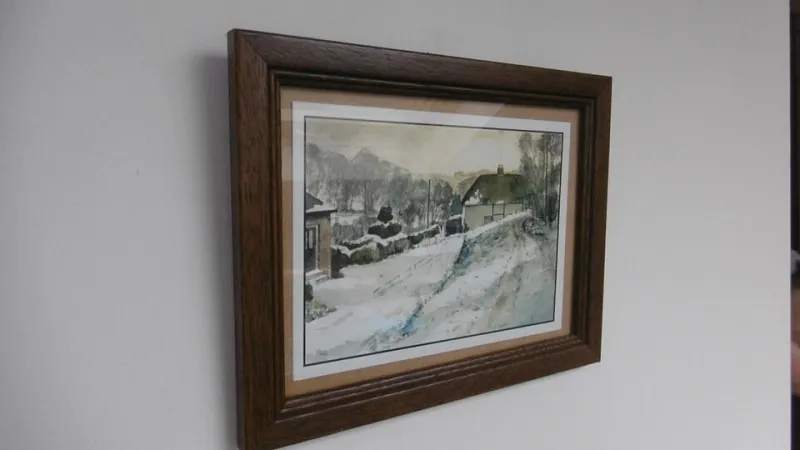
Photo: NeoMeesje, CC BY-SA 4.0, via Wikimedia Commons
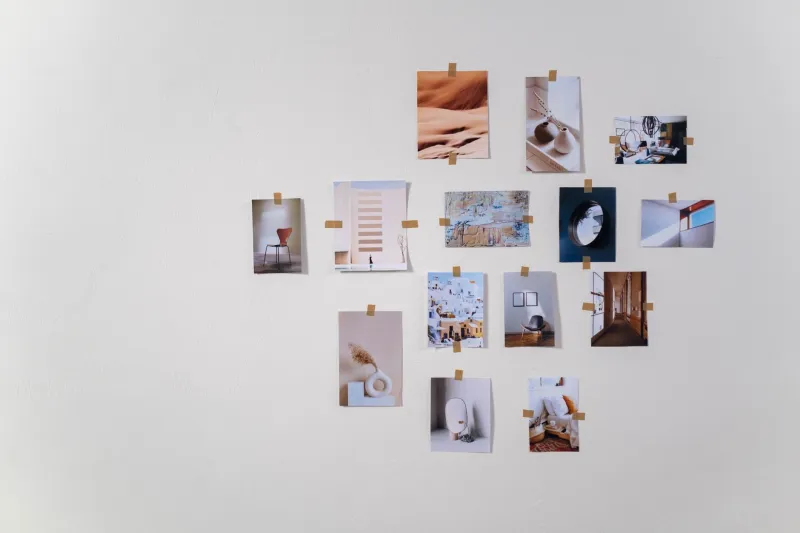
The wall above my couch used to be a curated little liar. It was a grid of prints I had bought in one panicked afternoon at a big-box store: abstract shapes, vintage botanicals, a black-and-white photo of a city I had never lived in. It looked fine. It looked like a catalog. Then I bought a small, slightly crooked painting at a neighborhood art fair for $50, and the whole room changed. Not because the painting was precious, but because it was real. I knew the person who made it. I knew what the color reminded them of. Suddenly the wall had a pulse.
Decor Is Fine. A Relationship Is Better.
Prints are not the enemy. A good reproduction can bring color, texture, and a little joy to a rental apartment or a hallway that needs help. But there is a difference between filling space and living with something. An original has presence. It has brush marks, a date on the back, maybe a smudge where the artist wiped their hand. It is not designed to match a sofa. It is designed to say something.
That is what you are buying when you spend $50 on a small painting instead of $50 on another framed print: not an investment, not a status object, but a relationship. You will notice it on a Tuesday afternoon. You will explain it to a guest. You will move it to a different room and see it fresh. One real object can do more for a room than ten tasteful reproductions, because it gives the eye somewhere to land and the mind somewhere to wander.
Why Local Matters, and Not Just for the Artist
Buying from a local artist at an art fair, open studio, or charity auction is a small act of creative infrastructure. The $50 matters. It buys supplies, studio time, a table at the next fair. It tells a working artist that their work has a life outside their own head. It also keeps money circulating in your community instead of disappearing into a warehouse and a shipping container.
The artists who sell at these events are often more flexible than gallery walls suggest. Many offer payment plans, especially for pieces over a few hundred dollars. Some have a box of smaller works or studies priced for first-time collectors. Charities and nonprofit auctions can be gold mines, too. You are not haggling at a flea market. You are participating in a local art economy, and most artists would rather have a real sale than a perfect one.
How to Start a Small Collection Without a Gallery Budget
First, go where artists sell directly. Art fairs, open studios, co-op galleries, school auctions, church fundraisers, and community art walks are all fair game. Set a budget before you go, even if it is $50 or $100. Bring cash. Ask the artist which piece they would buy if they were you. That question opens a real conversation.
Second, ask about payment plans without shame. A simple 'Do you offer a payment plan?' is a normal question in the art world. Many artists will say yes to a deposit and a couple of payments. If they say no, ask if they have smaller works or studies. Most do.
Third, buy what you keep circling. Do not buy something because it matches your rug. Buy the piece you walked past twice and then came back to. That is the one that will keep talking to you.
Fourth, frame on a dime. Thrift stores are full of decent frames with bad art inside. Standard-size canvases and works on paper can often be framed with a ready-made frame and a mat from a craft store. For odd sizes, a local frame shop can cut a mat and fit a simple frame for far less than a full custom job. Or skip the frame entirely and lean the piece on a shelf. Originals do not need to be precious.
Finally, do not try to build a collection all at once. One piece is a collection. Two pieces are a conversation. Let the wall grow slowly, and let the story arrive before the sofa does.
The Room Changes When the Art Has a Story
A friend once told me that the best rooms feel like they were made by someone, not for someone. That is what one original can do. It introduces a human hand into the room. It makes the wall feel less like a display and more like a diary entry. You do not need a gallery budget to get there. You need $50, a Saturday afternoon, and the willingness to buy the weird little painting that nobody else is looking at.
Next time you see a local art fair, go in with cash and no checklist. Buy one small thing. Take it home. Hang it badly. Live with it. That is how a room becomes yours.