No Recipe Required: Your Kitchen Is the Most Underrated Art Studio
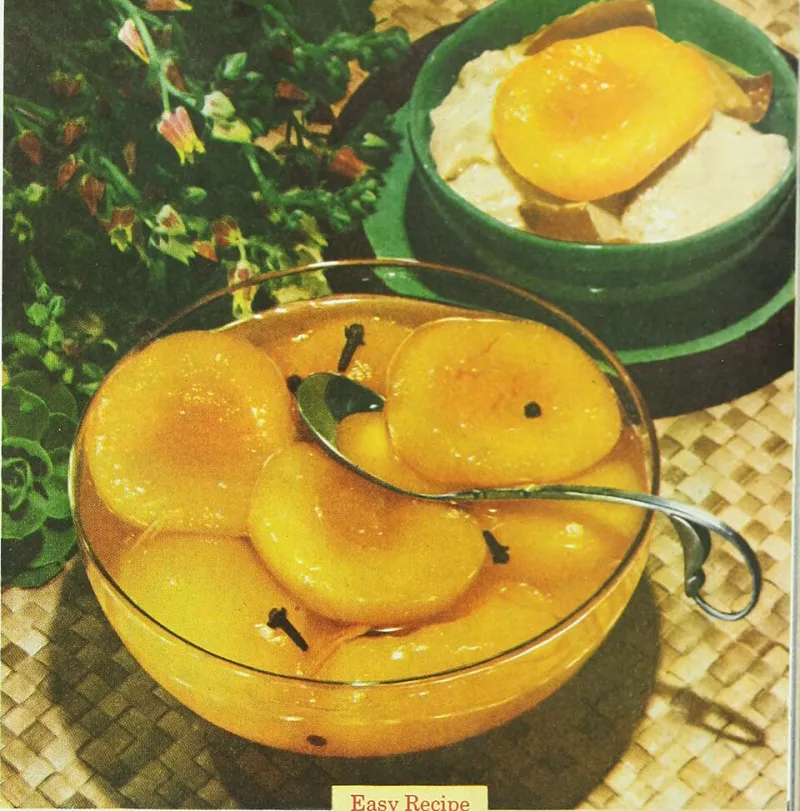
Photo: Internet Archive Book Images, No restrictions, via Wikimedia Commons
The first time I cooked without a recipe, I felt like I was getting away with something. I had a half bunch of wilting kale, a lemon, a lonely sweet potato, and a jar of chili crisp. I did not know what I was making. I just started. I roasted the sweet potato until the edges went dark, massaged the kale with salt and lemon, and spooned the chili crisp over everything. It was not a dish from a cookbook. It was a dish from my kitchen, on that night, with what I had. It was also the most creative I had felt in weeks.
The Recipe Is a Safety Net, and Sometimes a Cage
Recipes are useful. I am not here to tell you to freestyle a wedding cake. Baking is chemistry, and chemistry likes instructions. But savory cooking is different. It is closer to painting than people admit. You taste, you adjust, you add a little more acid, a little more fat, a little more salt. You look at the pan and make a decision. That is creative work.
The problem is that recipes can train us to stop trusting our own senses. We measure, we time, we follow. We treat the cookbook like a boss instead of a guide. Somewhere between the first apartment and the third meal kit, cooking becomes a task to execute rather than a practice to explore. That is a loss, because the kitchen is one of the few places where adults get to improvise every day without anyone asking for a resume.
What Chefs Know That Home Cooks Forget
In conversations with chefs and home cooks for this piece, one theme kept coming up: taste as you go. It sounds obvious, but most home cooks do not do it. We taste at the end, if at all. Chefs taste constantly. They taste the sauce before it reduces, after it reduces, after the butter goes in. They are not looking for perfection. They are looking for the next move.
The second thing chefs know is that a recipe is a map, not a law. A good cook looks at a recipe and thinks: What do I have? What do I like? What needs to change? That is not disrespect for the recipe. It is collaboration. The home cooks who describe the most joy in the kitchen are the ones who have stopped treating dinner as a test and started treating it as a conversation.
The Confidence Loop: Taste, Adjust, Repeat
Cooking builds creative confidence because the feedback is immediate. You do not have to wait for a gallery opening or a publisher. You taste, you adjust, and you know. That loop is powerful. It teaches you to trust your palate, to recover from mistakes, and to make something good out of what is already in the fridge.
It also teaches you that creative work does not need to be precious. A failed sauce is not a failure of your soul. It is just a sauce that needs more salt or less heat. You scrape it into the sink and try again. That resilience is the same muscle you need for any creative practice, whether you are writing, painting, or building a business. The kitchen just gives you a faster feedback loop and a decent excuse to eat your mistakes.
The One No-Recipe Meal Challenge
Here is the challenge: one meal a week, no recipe. Not no technique. Not no inspiration. Just no instructions. Start with what you have. Look at the vegetables, the grains, the leftovers, the condiments. Pick a direction: spicy, bright, cozy, crunchy. Taste as you go. Use salt, fat, acid, and heat like a painter uses color. Plate it with a little care, even if it is just for you.
The rules are simple. You can use a recipe for a component if you need to. You can look up a technique. But the meal itself is yours. No measuring cups for the sauce. No timer for the vegetables. Just your eyes, your nose, and your tongue. Some weeks will be great. Some will be weird. Both are useful.
Plating Is Part of the Practice
There is a reason a good plate of food makes you stop before you eat. It is not just hunger. It is composition. A swirl of yogurt, a scatter of herbs, a lemon wedge on the side. You do not need tweezers. You need attention. Put the food on a real plate. Wipe the rim. Notice the colors. That is not extra. That is the art part.
Feeding People Is the Point
The last thing chefs and home cooks told me is that cooking is not a solo performance. It is communication. You make something for someone else, and they taste it, and something passes between you. That is what art does. It says: here is a thing I made. Here is a thing I noticed. Here is a way to feel a little more alive on a Wednesday.
So next time you are standing in the kitchen with the cookbook open and the fridge half empty, close the book. Taste the sauce. Add the lemon. Trust the weird combination. Your kitchen is a studio. Dinner is the practice. And you are already an artist, whether you have a recipe or not.